The Challenge
In Northern and Central Portugal, as in much of Southern Europe, large wildfires have surged in frequency and intensity over the past decades. Climate change, prolonged droughts, and the accumulation of biomass due to land abandonment have turned these regions into tinderboxes. Scientific projections warn that this trend will only worsen, with fires becoming more unpredictable and devastating. The abandonment of rural territories—driven by urban migration, aging populations, and economic hardship—has left vast swathes of land untended, overgrown, and highly flammable. Viseu district (one of the most fire prone in Portugal), this abandonment is particularly acute, with elderly residents often isolated and poverty-stricken, lacking the resources or physical ability to manage their land.
Objective
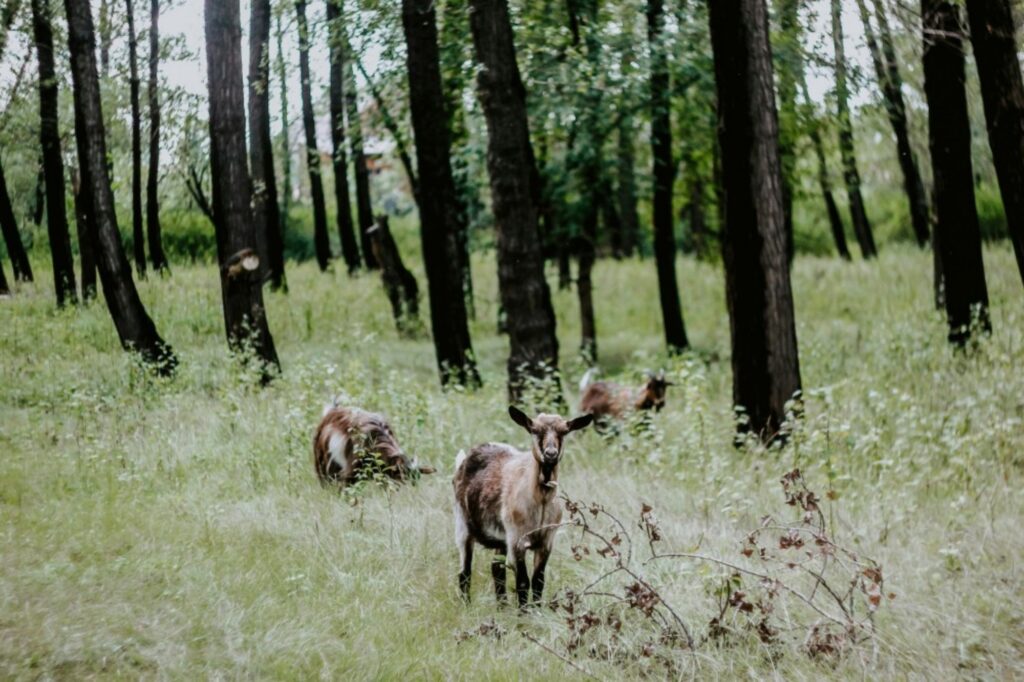
Our project’s core service is grazing private lands to reduce biomass, achieved through a collaborative model where landowners share animals, tools, and knowledge.
This action is co-financed by the European Union.